
Introduction
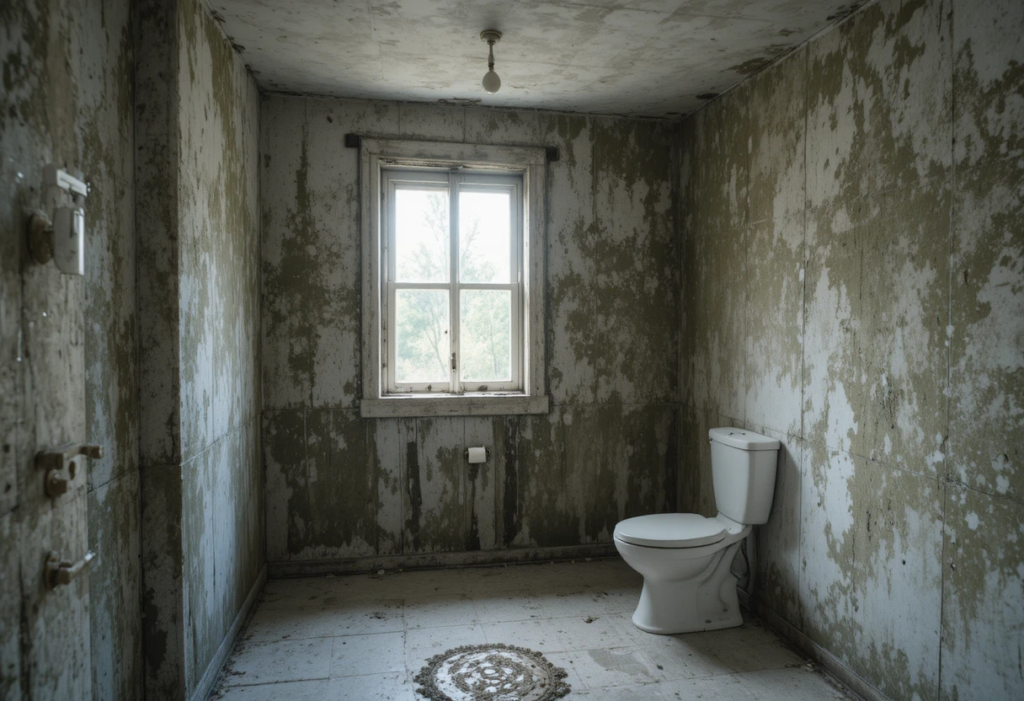
Mould in the bathroom is a very common problem, especially in homes with poor ventilation.
If you are noticing black spots on walls, ceilings, or around tiles, it is a sign that excess moisture is building up.
While it may seem like a small issue, bathroom mould can spread quickly and cause damage if ignored.
In this guide, you will learn why mould appears in bathrooms and how to fix it effectively.
What Causes Mould in Bathrooms
Bathrooms create the perfect environment for mould growth due to constant moisture and humidity.
Excess Moisture
Hot showers and baths release steam, increasing humidity levels in the room.
Poor Ventilation
If there is no proper airflow, moisture stays trapped inside.
This allows mould to grow on surfaces.
Condensation
Warm air meeting cold surfaces creates water droplets, leading to damp areas where mould can develop.
Leaks
Leaking pipes or fixtures can keep areas wet, encouraging mould growth.
How to Remove Mould from Your Bathroom
Use a Cleaning Solution
You can clean mould using:
- White vinegar
- Baking soda
- Anti-mould cleaner
Apply the solution and leave it for a few minutes before wiping.
Scrub the Affected Area
Use a soft brush or cloth to remove mould from tiles, walls, or ceilings.
Dry the Area
Make sure the surface is completely dry after cleaning.
Open windows or use a fan if needed.
How to Prevent Bathroom Mould
Improve Ventilation
- Open windows after showers
- Use an extractor fan
- Keep the door slightly open
Reduce Moisture
- Wipe down wet surfaces
- Avoid leaving water on floors or walls
- Fix leaks quickly
Keep the Area Clean
Regular cleaning prevents mould from building up over time.
When to Call a Professional
You should consider expert help if:
- Mould keeps returning
- It spreads to large areas
- It is caused by hidden leaks
Final Thoughts
Bathroom mould is common, but it can be controlled with proper cleaning and ventilation.
Taking simple steps daily can prevent it from coming back and keep your bathroom clean and healthy.