
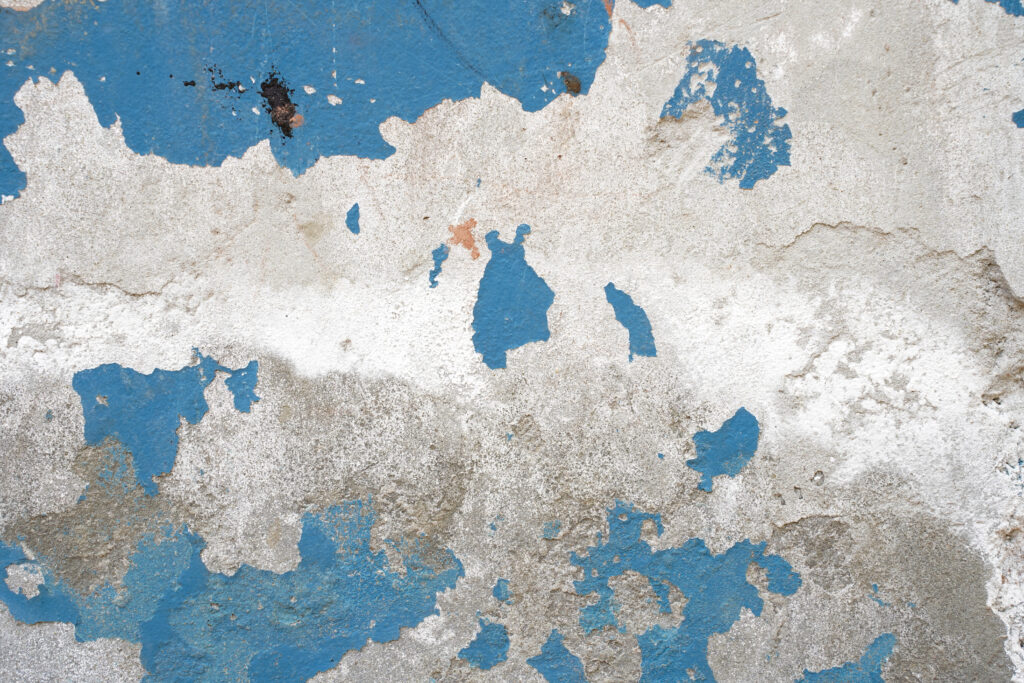
Peeling paint is a common problem in homes and can make even a well-maintained room look neglected. While it may seem like a cosmetic issue, peeling paint is often a sign of an underlying problem that should not be ignored.
In many cases, moisture, poor preparation, or ageing surfaces can cause paint to lose its bond with the wall. Understanding the root cause is essential if you want a long-lasting repair.
In this guide, you’ll learn what causes paint to peel, how to repair the damage, and how to prevent the problem from returning.
What Causes Paint to Peel?
Paint can peel for several reasons. Some causes are minor and easy to fix, while others may require more extensive repairs.
Excess Moisture
Moisture is one of the most common causes of peeling paint.
Water can enter walls through leaks, condensation, or damp problems. When moisture becomes trapped behind the paint, it weakens the bond between the paint and the wall surface.
Poor Surface Preparation
Painting over dirty, dusty, or greasy surfaces can prevent paint from adhering properly.
Over time, the paint may begin to crack, bubble, and peel away.
Low-Quality Paint
Cheap paint products often have weaker adhesion and durability.
They are more likely to peel in areas exposed to moisture and temperature changes.
Too Many Layers of Paint
Repeatedly painting over old layers can eventually cause the paint surface to become unstable.
This may result in cracking and peeling.
Temperature and Humidity Changes
Frequent changes in temperature and humidity can cause surfaces to expand and contract, leading to paint failure over time.
Signs That Moisture Is Causing the Problem
Peeling paint is often accompanied by other warning signs.
Look for:
- Damp patches
- Water stains
- Mould growth
- Musty smells
- Bubbling paint
These signs usually indicate an underlying moisture issue that should be addressed before repainting.
How to Fix Peeling Paint on Walls
Remove Loose Paint
Start by scraping away any loose or flaking paint.
Continue until you reach a stable surface where the paint remains firmly attached.
Sand the Surface
Use fine sandpaper to smooth the area.
This creates a better surface for primer and paint.
Repair Any Damage
Fill cracks, holes, or damaged areas using an appropriate wall filler.
Allow the filler to dry completely before sanding smooth.
Apply a Quality Primer
A primer helps improve paint adhesion and creates an even base for painting.
This step is particularly important if moisture damage has occurred.
Repaint the Wall
Apply two thin coats of quality paint rather than one thick coat.
Allow sufficient drying time between coats.
How to Prevent Paint from Peeling Again
Fix Damp Problems Quickly
Address any signs of damp or water intrusion as soon as possible.
Ignoring moisture problems will usually lead to recurring paint damage.
Improve Ventilation
Good airflow helps reduce condensation and excess moisture.
Open windows regularly and use extractor fans where appropriate.
Use High-Quality Paint
Better quality paints often provide improved durability and moisture resistance.
Prepare Surfaces Properly
Always clean and prepare walls thoroughly before painting.
This helps ensure long-lasting results.
When to Call a Professional
You should consider professional assistance if:
- Paint continues to peel after repairs
- Damp keeps returning
- Large sections of wall are affected
- Structural issues are suspected
A professional inspection can help identify hidden problems that may not be immediately visible.
Final Thoughts
Peeling paint is often a warning sign that something more serious may be happening behind the surface.
By identifying the cause, repairing any damage, and taking steps to prevent moisture problems, you can restore your walls and achieve a longer-lasting finish.
Related Articles
How to Stop Damp on Walls Permanently
How to Get Rid of Mould on Walls
How to Fix Cracks in Walls