
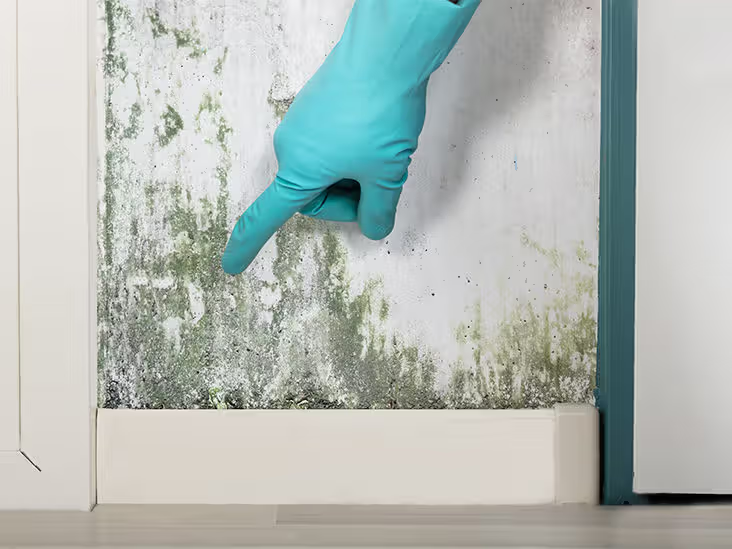
Mould is one of the most common household problems and can quickly become difficult to manage if left untreated. It often appears as black, green, or grey patches on walls, ceilings, windows, and other damp surfaces.
While removing mould is important, preventing it from returning is the real solution. By controlling moisture levels and improving ventilation, homeowners can significantly reduce the risk of mould growth.
In this guide, you’ll learn why mould develops and the most effective ways to prevent it from appearing in your home.
Why Does Mould Grow?
Mould thrives in damp, humid environments where moisture is consistently present.
Common causes include:
- Condensation on windows
- Poor ventilation
- Water leaks
- Rising damp
- High indoor humidity
- Drying clothes indoors
Once moisture becomes trapped inside a property, mould can begin growing within a relatively short period of time.
Areas Most at Risk
Certain parts of the home are more vulnerable to mould than others.
Bathrooms
Steam from showers and baths creates ideal conditions for mould growth.
Bedrooms
Poor ventilation and condensation often cause mould to appear behind furniture and around windows.
Kitchens
Cooking releases moisture into the air, increasing humidity levels.
Around Windows
Condensation frequently forms on cold glass surfaces and nearby walls.
Signs of Early Mould Growth
Identifying mould early can prevent larger problems later.
Look for:
- Small dark spots on walls
- Musty smells
- Damp patches
- Discoloured paint
- Condensation on windows
Addressing these warning signs quickly can prevent widespread mould growth.
How to Prevent Mould
Improve Ventilation
Good airflow is one of the most effective ways to prevent mould.
You can improve ventilation by:
- Opening windows regularly
- Using extractor fans
- Keeping air vents clear
- Allowing air to circulate around furniture
Control Indoor Humidity
High humidity levels encourage mould growth.
To reduce humidity:
- Use a dehumidifier
- Avoid drying clothes indoors
- Ventilate bathrooms and kitchens
- Fix moisture problems promptly
Keep Your Home Warm
Cold surfaces attract condensation.
Maintaining a consistent indoor temperature can help reduce moisture accumulation.
Fix Leaks Quickly
Even small leaks can create the damp conditions mould needs to thrive.
Inspect:
- Pipes
- Roofs
- Gutters
- Radiators
Repairing leaks early can prevent more expensive problems later.
Clean Affected Areas Promptly
If you notice small patches of mould, clean them immediately before they spread.
Regular inspections can help identify problem areas early.
Why Preventing Mould Matters
Ignoring mould can lead to:
- Damage to walls and ceilings
- Peeling paint
- Persistent musty smells
- Reduced indoor air quality
- Expensive repair costs
Preventing mould is usually much easier and cheaper than dealing with a large infestation.
When to Seek Professional Help
You should consider professional assistance if:
- Mould keeps returning
- Large areas are affected
- Damp problems continue despite repairs
- Structural damage becomes visible
A professional inspection can identify hidden moisture sources and recommend effective solutions.
Final Thoughts
Mould prevention starts with moisture control.
By improving ventilation, reducing humidity, and addressing leaks quickly, homeowners can create an environment where mould struggles to grow.
Regular maintenance and early action can help protect both your property and your indoor living environment.