
Introduction
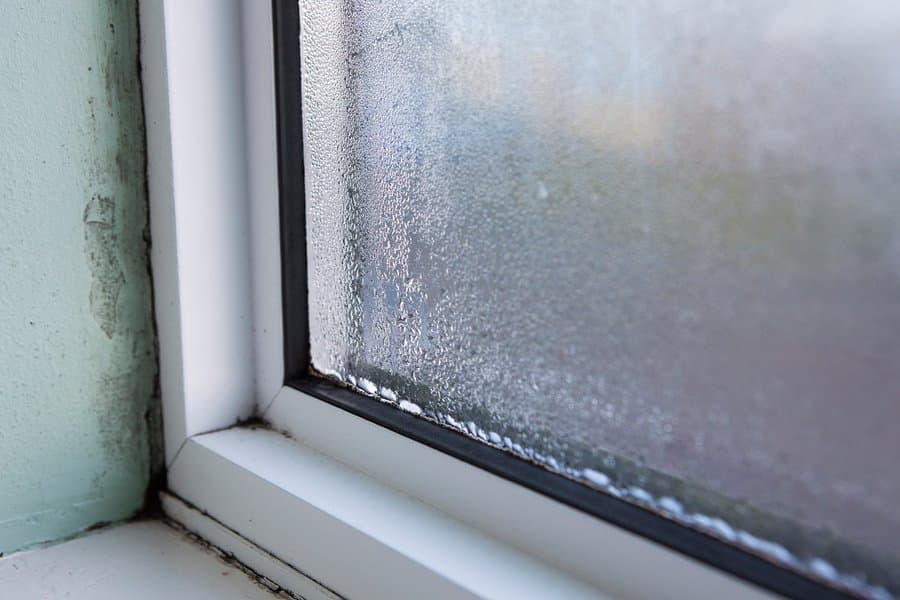
Condensation on windows is a common problem in many homes, especially during colder months.
If left untreated, excess condensation can lead to damp patches, mould growth, and damage to window frames and walls.
The good news is that there are several simple ways to reduce condensation and prevent it from coming back.
In this guide, you will learn how to stop condensation on windows effectively.
What Causes Condensation on Windows
Condensation happens when warm, moist air comes into contact with cold glass surfaces.
This creates water droplets on windows.
Common causes include:
- Poor ventilation
- High indoor humidity
- Drying clothes indoors
- Cooking and shower steam
- Cold weather
Why Condensation Should Not Be Ignored
Small amounts of condensation may seem harmless, but over time it can lead to:
- Mould growth
- Damp walls
- Damage to paint and wood
- Musty smells
How to Stop Condensation on Windows
Improve Ventilation
Good airflow helps moisture escape from your home.
You can:
- Open windows daily
- Use extractor fans
- Keep air vents clear
Use a Dehumidifier
A dehumidifier removes excess moisture from the air and helps reduce condensation quickly.
Reduce Indoor Moisture
Simple changes can lower humidity levels:
- Avoid drying clothes indoors
- Use lids when cooking
- Keep bathroom doors closed during showers
Keep Your Home Warm
Cold surfaces attract condensation more easily.
Maintaining a stable indoor temperature can help reduce moisture buildup.1
Upgrade Windows
Double-glazed windows are better at preventing condensation than single-pane windows.
How to Prevent Condensation Long-Term
- Ventilate rooms regularly
- Control indoor humidity
- Maintain consistent heating
- Fix damp problems early
When to Seek Professional Help
You should consider expert advice if:
- Condensation is severe
- Mould keeps returning
- Damp spreads to walls and ceilings
Final Thoughts
Condensation on windows is a common issue, but it can usually be controlled with better ventilation and moisture management.
Taking action early will help protect your home from damp and mould problems in the future.