
Introduction
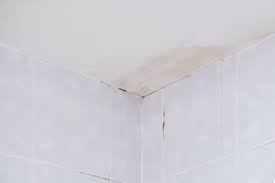
Water stains on a ceiling are often one of the first signs of a hidden moisture problem.
While a small stain may not seem serious at first, it can indicate a leaking roof, plumbing issue, or condensation problem that requires attention.
Understanding the cause early can help prevent costly repairs and further damage to your home.
In this guide, you’ll learn why water stains appear on ceilings and what steps you can take to fix the problem.
What Causes Water Stains on Ceilings
Several issues can lead to ceiling stains.
Roof Leaks
A damaged roof is one of the most common causes of water stains.
Missing tiles, cracked flashing, or worn roofing materials can allow rainwater to enter the property.
Plumbing Leaks
Pipes located above ceilings may develop leaks over time.
Even a small drip can create noticeable stains if left untreated.
Condensation Problems
Bathrooms, kitchens, and poorly ventilated rooms can generate excess moisture.
Condensation can collect on surfaces and eventually cause staining.
Overflowing Gutters
Blocked gutters may cause water to back up and enter parts of the roof structure.
This can result in damp areas and visible ceiling stains.
How to Identify the Source
Before repairing the stain, it’s important to locate the cause.
Check:
- The roof above the affected area
- Nearby plumbing fixtures
- Loft or attic spaces
- Gutters and downpipes
- Signs of dampness around walls
The source of the water may not always be directly above the stain.
How to Fix Water Stains on a Ceiling
Repair the Underlying Problem
The first priority is fixing the source of the moisture.
This may involve repairing a roof leak, replacing damaged pipes, or improving ventilation.
Dry the Area Completely
Allow the affected area to dry fully before making cosmetic repairs.
This helps prevent mould growth and further damage.
Clean the Stain
Use a suitable stain-blocking primer if the mark remains visible after drying.
This prevents stains from showing through fresh paint.
Repaint the Ceiling
Once repairs are complete, repaint the area to restore its appearance.
Can Water Stains Lead to Mould?
Yes.
If moisture remains present for long periods, mould can develop on ceilings, walls, and surrounding materials.
This is why it is important to investigate stains as soon as they appear.
How to Prevent Future Ceiling Stains
- Inspect your roof regularly
- Clean gutters and downpipes
- Fix plumbing leaks quickly
- Improve ventilation in high-moisture rooms
- Check loft spaces for signs of damp
When to Call a Professional
Consider professional assistance if:
- The stain continues to grow
- You cannot locate the source
- Structural damage is visible
- Multiple stains appear throughout the property
Final Thoughts
Water stains on ceilings should never be ignored.
Although some causes are minor, others can lead to significant damage if left untreated. Identifying the source early and carrying out repairs promptly can help protect your home and avoid expensive restoration work.