
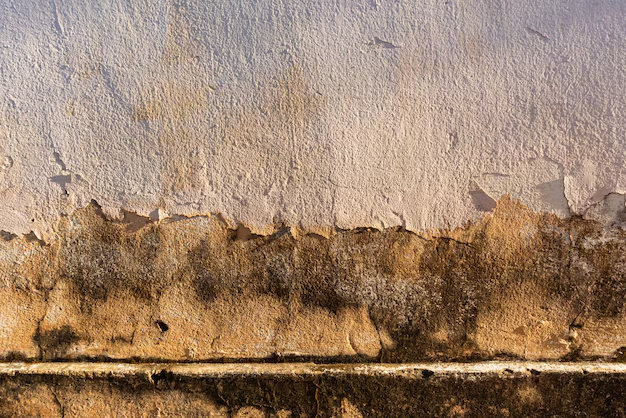
Cold and damp walls are a common problem in many homes, especially during colder months. While a chilly wall may seem harmless, it can often indicate an underlying moisture issue that should not be ignored.
If left untreated, damp walls can lead to mould growth, peeling paint, musty smells, and even structural damage over time.
Understanding why a wall feels cold and damp is the first step toward solving the problem and preventing further damage.
Why Do Walls Become Cold and Damp?
Walls usually become cold and damp when moisture accumulates on or inside the surface.
Several factors can contribute to this problem, including poor insulation, condensation, leaks, and damp penetration.
Identifying the exact cause is essential for choosing the correct solution.
Common Causes of Cold and Damp Walls
Condensation
Condensation is one of the most common causes of damp walls.
When warm indoor air comes into contact with a cold wall surface, moisture in the air turns into water droplets.
Over time, repeated condensation can cause damp patches and mould growth.
Poor Insulation
Walls with poor insulation lose heat more quickly.
This makes the wall surface colder and increases the likelihood of condensation forming.
Older properties are particularly vulnerable to this issue.
Penetrating Damp
Rainwater can sometimes enter a property through cracks, damaged brickwork, or faulty gutters.
This moisture may eventually appear as damp patches on interior walls.
Plumbing Leaks
Hidden leaks inside walls can cause persistent dampness.
Even a small leak can create significant moisture problems if left unresolved.
Rising Damp
In some properties, groundwater can travel upward through walls due to a failed or missing damp-proof course.
This often causes damp patches near the bottom of walls.
Warning Signs to Look For
Cold and damp walls are often accompanied by other symptoms.
These may include:
- Peeling paint
- Bubbling wallpaper
- Mould growth
- Musty smells
- Water stains
- Damp patches
Addressing these warning signs early can prevent more extensive damage.
How to Fix a Cold and Damp Wall
Improve Ventilation
Better airflow helps remove excess moisture from the home.
You can improve ventilation by:
- Opening windows regularly
- Using extractor fans
- Keeping vents unobstructed
- Allowing air to circulate around furniture
Reduce Indoor Humidity
High humidity increases the risk of condensation.
Consider using a dehumidifier and avoiding activities that release excess moisture indoors whenever possible.
Repair Leaks
Inspect your home for signs of plumbing leaks, roof leaks, or damaged gutters.
Fixing leaks quickly prevents additional moisture from entering the walls.
Improve Insulation
Better insulation helps keep wall surfaces warmer and reduces condensation.
This can significantly improve comfort and energy efficiency.
Treat Existing Damp Problems
If damp is already present, it is important to address the underlying cause rather than simply covering the symptoms.
Painting over damp patches rarely solves the problem.
Can Damp Walls Cause Mould?
Yes.
Mould thrives in damp environments and often appears on cold wall surfaces where moisture regularly accumulates.
If mould develops, it should be removed promptly and the moisture source should be addressed.
When to Call a Professional
Professional help may be necessary if:
- Damp keeps returning
- Large areas of the wall are affected
- Structural damage is visible
- The source of moisture cannot be identified
A professional assessment can help determine the exact cause and recommend the most effective solution.
Final Thoughts
Cold and damp walls are often a sign that moisture is affecting your home.
By identifying the cause, improving ventilation, reducing humidity, and fixing any underlying issues, you can protect your property and create a healthier indoor environment.
Taking action early can prevent expensive repairs and reduce the risk of mould growth in the future.