
Water leaks are not always obvious. While some leaks result in visible dripping or puddles, others remain hidden behind walls, under floors, or above ceilings for months before they are discovered.
Unfortunately, hidden leaks can cause significant damage over time. They can weaken structures, encourage mould growth, increase water bills, and create unpleasant odors throughout the home.
Knowing how to identify hidden leaks early can save homeowners from expensive repairs and prevent long-term damage.
Why Hidden Water Leaks Are a Problem
Many homeowners assume they would immediately notice a leak.
However, hidden leaks often develop slowly and can go unnoticed for long periods.
These leaks may cause:
- Damp walls
- Mould growth
- Rotting materials
- Water stains
- Increased water bills
- Structural damage
The earlier a leak is found, the easier it is usually to repair.
Common Signs of a Hidden Water Leak
Unexpected Increase in Water Bills
One of the first warning signs is a sudden increase in your water bill.
If your water usage habits have not changed but your bill continues to rise, a hidden leak may be the cause.
Damp Patches on Walls
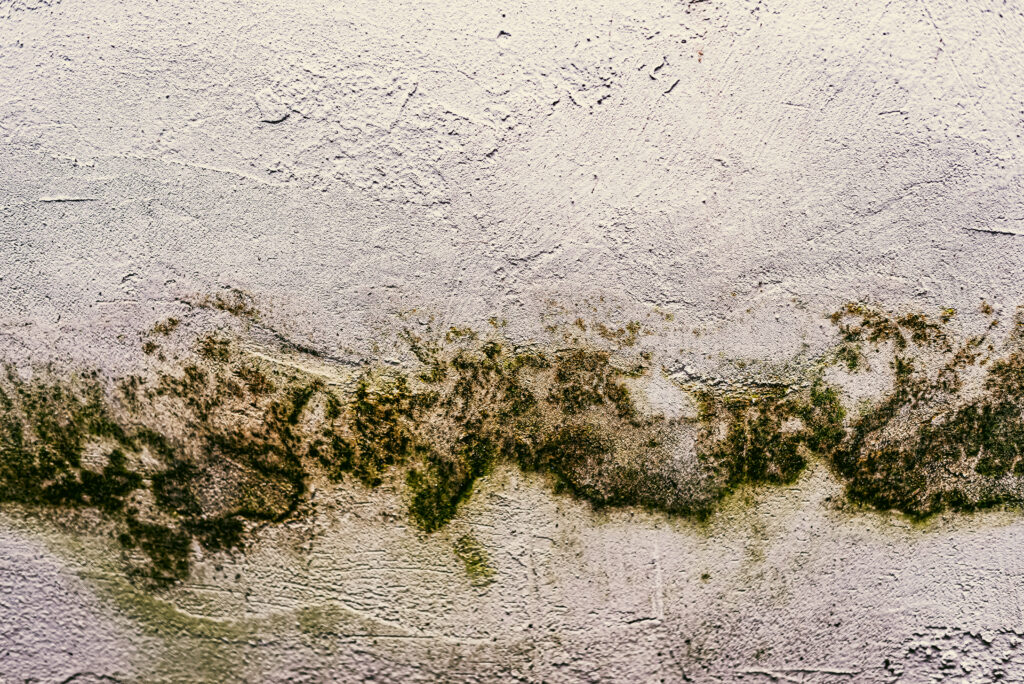
Moisture trapped behind walls often creates visible damp spots.
These patches may grow larger over time and become discolored.
Water Stains on Ceilings
Brown or yellow stains on ceilings frequently indicate moisture entering from above.
These stains should always be investigated rather than simply painted over.
Musty Smells
Persistent damp odors often suggest hidden moisture.
Even if no visible damage is present, unusual smells can indicate a leak behind walls or under flooring.
Mould Growth
Mould requires moisture to grow.
If mould appears repeatedly in the same area, hidden water damage may be present.
Peeling Paint or Wallpaper
Moisture behind surfaces can cause paint to bubble, peel, or crack.
Wallpaper may begin lifting away from walls.
Where Hidden Leaks Commonly Occur
Leaks are often found in:
- Behind bathrooms
- Under kitchen sinks
- Around washing machines
- Inside wall cavities
- Beneath floors
- Near water heaters
- Around radiators
These areas should be inspected whenever warning signs appear.
Simple Ways to Check for Hidden Leaks
Monitor Your Water Meter
Turn off all taps and water-using appliances.
Check your water meter and wait for an hour without using any water.
If the meter reading changes, a leak may be present.
Inspect High-Risk Areas
Regularly check areas around plumbing fixtures for signs of moisture or damage.
Listen for Running Water
Unusual sounds inside walls may indicate water escaping from a pipe.
Watch for Changes in Flooring
Warping, lifting, or soft spots can suggest moisture beneath the surface.
How to Prevent Hidden Water Leaks
Inspect Plumbing Regularly
Routine inspections can help identify small issues before they become major problems.
Replace Aging Components
Old hoses, valves, and fittings are more likely to fail.
Fix Small Leaks Quickly
Minor leaks often become larger over time.
Prompt repairs can prevent significant damage.
Monitor Humidity Levels
Excess moisture can sometimes indicate hidden plumbing issues.
When to Call a Professional
Professional assistance may be necessary if:
- The source of the leak cannot be located
- Water damage continues to spread
- Mould repeatedly returns
- Structural damage is visible
Leak detection specialists can often locate hidden issues without major disruption.
Final Thoughts
Hidden water leaks can cause extensive damage long before they become obvious.
By paying attention to warning signs and carrying out regular inspections, homeowners can detect problems early and avoid costly repairs.
A small leak discovered today is often much easier and cheaper to fix than a major repair tomorrow.